Resort Interior Design Fiji: A Guide to Paradise-Inspired Spaces
Resort interior design Fiji offers a unique opportunity to blend world-class luxury with the breathtaking natural beauty of the South Pacific. When planning a resort or hospitality project in this island nation, the design must reflect the serene environment while meeting the highest standards of international comfort. Therefore, choosing the right design partner is crucial for creating a destination that guests will never forget.
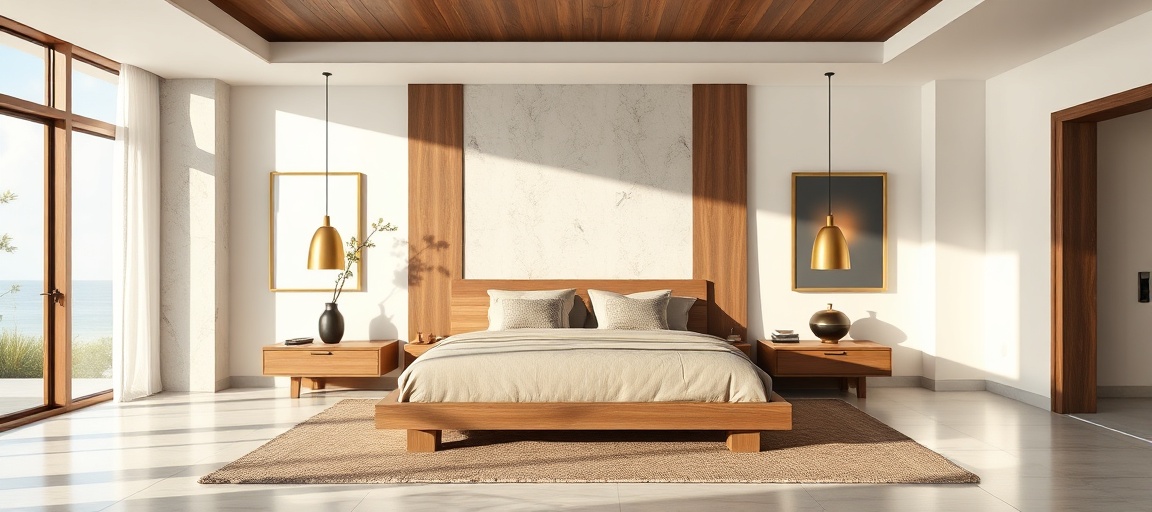
Beyond just aesthetics, effective resort interior design in Fiji focuses on creating immersive experiences. This involves using local materials like mahogany and volcanic stone, incorporating traditional Fijian patterns (masi), and ensuring that every room offers a seamless connection to the outdoors. Moreover, sustainability is a growing concern, and modern design solutions in Fiji are increasingly using eco-friendly practices to protect the pristine environment.
Key Elements of Fijian Resort Aesthetics
To achieve the perfect look, one must consider the interplay of light, texture, and color. The palette often draws from the ocean’s turquoise hues, the sand’s soft beige, and the lush greenery of the landscape. Furthermore, furniture should be robust yet elegant, capable of withstanding a tropical climate while offering ultimate relaxation.
- Use of natural, breathable fabrics like linen and cotton.
- Incorporation of indoor-outdoor living concepts, such as retractable walls.
- Statement lighting fixtures that mimic natural sunlight and local craftsmanship.
The Role of Luxury Hotel Interior Experts
While resort design focuses on the overall vacation vibe, luxury hotel interior design in Fiji demands a more formalized approach to opulence and service flow. A luxury hotel in Suva or Nadi requires a lobby that makes a grand statement, restaurants that balance intimacy with scale, and guest rooms that offer five-star amenities without sacrificing local character. Therefore, designers must meticulously plan the guest journey from arrival to departure.
Collaborating with a team that understands both international hospitality standards and local building regulations is essential. They must navigate the logistics of importing materials while also supporting local artisans. For instance, a luxury hotel interior project might feature custom-made tapa cloth art installations or hand-carved wooden panels, creating a sense of place that cannot be replicated elsewhere. Moreover, integrating smart technology for lighting and climate control ensures that the high-end experience is also convenient and efficient.
Balancing Global Standards with Local Flair
The challenge lies in balancing these global standards with a distinct local flair. This is where the expertise of a dedicated interior design firm becomes invaluable. They know how to source unique pieces and train local staff on maintenance. Furthermore, they ensure that the design is durable enough to handle high traffic volumes, which is a signature challenge of the hospitality industry.
From Office Renovation to Home Interior Design in Fiji
While the hospitality sector is booming, the principles of good design also apply to corporate and residential spaces. An office renovation in Fiji, for example, can significantly boost employee morale and productivity by incorporating natural light and collaborative spaces. Therefore, whether you are refreshing a small office or a large corporate headquarters, professional guidance is key to maximizing your return on investment.
Similarly, home interior design in Fiji is about creating personal sanctuaries. From vibrant residential interior design in new developments in Denarau to villa interior design in the hills of Pacific Harbour, the focus is on comfort and style. A luxury home interior might feature high ceilings, bespoke joinery, and panoramic views of the ocean.
Here are some tips for your project:
- Define your style: Coastal, contemporary, or rustic?
- Set a clear budget before you begin.
- Consult with a local expert who understands Fiji’s climate.
Moreover, adapting your office or home to the tropical environment helps maintain the longevity of your investment. Proper ventilation, mold-resistant materials, and UV-protected finishes are non-negotiable in this climate. By working with professionals who specialize in tropical architecture, you avoid costly mistakes and ensure a space that is both beautiful and functional.
Why Professional Design Matters in Fiji
Engaging a professional service ensures that every aspect of your project is managed, from concept to completion. This is especially critical for villa interior design in Fiji, where the private market is highly competitive. A professionally designed villa not only enhances your living experience but also increases the property’s resale value significantly. Therefore, investing in good design is a smart financial decision.
Furthermore, for property developers, consistent residential interior design across multiple units creates a strong brand identity. Whether you are building a boutique hotel or a residential complex, the interior design is what sells the lifestyle. For more insights on sustainable materials, you can check ArchDaily’s resource on sustainable materials. Additionally, understanding global trends can help you stay ahead; read more at Dezeen’s interior design section.
Choosing the Right Partner
In conclusion, whether you are seeking ‘office interior design’ for a commercial hub in Suva, a ‘resort interior design Fiji’ for a remote island, or a ‘luxury hotel interior’ for a five-star chain, the principles remain the same: authenticity, quality, and functionality. Therefore, take the time to review portfolios and find a team whose vision aligns with yours.
Ready to transform your space into a tropical masterpiece? Contact the leading interior design specialists in Fiji today to schedule a consultation. Let us help you bring the beauty of the islands into your everyday life.